

The Influence of Environment on Behavior
The environment within a casino plays a crucial role in shaping how patrons behave. Casinos are meticulously designed to evoke specific emotions and responses. From the moment guests step inside, the ambiance, lighting, and acoustics work in harmony to foster excitement. Warm colors often dominate the design palette, stimulating feelings of energy and enthusiasm. This carefully curated setting encourages visitors to explore and engage more with the games and entertainment options available, especially when they consider options like betting sites that enhance their overall experience as the design invites them into a world of thrill and anticipation.
Moreover, the layout of the casino is often open and sprawling, which can subconsciously entice guests to wander. The lack of windows reduces awareness of time, making it easy for individuals to lose track of how long they’ve been there. Research shows that when guests are immersed in such an environment, they tend to spend more time gambling, as the design strategically distracts them from the passing hours and encourages an indulgent experience. This manipulation of the space emphasizes how environment can directly influence spending behavior and overall enjoyment.
This psychological manipulation does not stop at sight and sound; it extends to the olfactory senses as well. Many casinos utilize scent to create a welcoming atmosphere. The scent of fresh coffee or baked goods can be strategically placed to evoke feelings of comfort and relaxation. This multi-sensory approach to design is a powerful tool that plays a significant role in shaping the overall experience and behavior of casino patrons. By engaging multiple senses, casinos create a deeper emotional connection, prompting guests to stay longer and engage more with their surroundings.
The Role of Game Layout and Accessibility
The arrangement of gaming tables and machines within a casino is not merely functional; it is a calculated strategy to maximize engagement. Designers often place slot machines close together, creating a sense of community among players while encouraging more frequent play. This design choice exploits the social aspect of gaming, as people may feel more inclined to participate if they see others winning nearby. Additionally, the close proximity of machines ensures that players are constantly stimulated by nearby sounds and movements, which can lead to increased excitement and a desire to join in.
Accessibility is another key factor in casino design. Games are typically arranged to facilitate easy navigation. The pathways leading to different gaming sections are designed to guide players effortlessly, minimizing obstacles. This thoughtful arrangement is intended to encourage spontaneous gaming, as players might be lured to try out a game they encounter while moving from one area to another. The strategic placement and accessibility of games can significantly impact how long guests choose to stay and how much money they spend, creating opportunities for unexpected wins and experiences.

The psychological principles behind this layout extend to the use of high-traffic zones where high-stakes tables are often located. By placing these tables in areas that receive a lot of foot traffic, casinos can create an enticing aura around high-stakes games, attracting curious patrons. The allure of large payouts, combined with increased visibility, draws in players who may not initially have intended to wager larger amounts but are swayed by the environment designed to captivate them. This careful orchestration of space and placement heightens the overall excitement and engagement levels among visitors.
The Element of Reward and Reinforcement
One of the most compelling aspects of casino design is the element of reward and reinforcement that drives player engagement. Casinos are deeply aware of the psychological impacts of immediate rewards. The sound of coins clinking and the visual spectacle of spinning reels creating winning combinations are deliberately crafted to create a gratifying experience. This immediate reinforcement encourages players to keep playing, as they associate their gambling activities with pleasure and excitement that is hard to resist.
Moreover, casinos utilize a range of reinforcements, from small wins to jackpot payouts, to maintain engagement. The frequency of smaller wins can create a sense of hope and anticipation, compelling players to invest more time and money into the games. This phenomenon, known as the “near miss,” occurs when a player almost wins, triggering the brain’s reward centers and prompting them to continue in hopes of hitting the big prize. Such strategic implementations of rewards effectively manipulate player psychology, leading to prolonged gaming sessions and a deeper emotional investment in the games.
Additionally, loyalty programs contribute to this reinforcement cycle. By offering rewards for continued play, casinos foster a sense of belonging and investment among patrons. Players are more likely to return to a casino where their loyalty is recognized and rewarded. This built-in system not only maximizes player engagement but also creates a community feel, reinforcing the idea that the casino values its customers and is invested in their gaming experiences. The combination of tangible rewards and emotional satisfaction creates a powerful incentive for repeat visits and continued play.
The Importance of Aesthetics and Branding
Casino design goes beyond functionality; it encompasses aesthetics and branding that resonate with patrons on an emotional level. The visual appeal of a casino is instrumental in setting the tone for the overall experience. Upscale casinos often employ luxurious materials, striking art, and distinctive lighting to create a sense of sophistication. This aesthetic approach aims to evoke feelings of luxury and exclusivity, making patrons feel special and appreciated while they play, which can enhance their engagement with the environment.
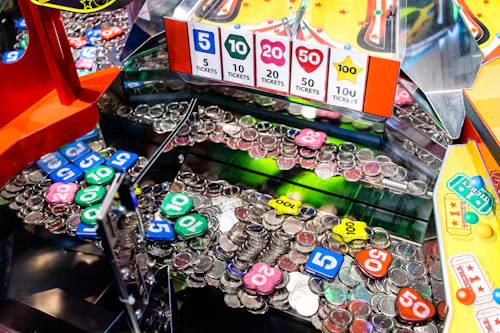
Branding also plays a vital role in casino design. Each casino strives to create a unique identity that reflects its target demographic. For instance, some casinos may opt for a themed design, incorporating elements that transport guests to another world, while others might emphasize elegance through understated design. This alignment between branding and physical space reinforces a consistent message and enhances the overall guest experience, drawing them back for future visits. Such thoughtful design creates a memorable brand image that can lead to a loyal customer base.
Moreover, the use of technology in design also contributes to aesthetics and branding. Digital displays often showcase the latest games or promotions, merging modern aesthetics with traditional elements of casino design. This integration of technology presents a forward-thinking image, appealing to a younger generation of players. By blending innovative design with appealing aesthetics, casinos can effectively communicate their brand value and attract a diverse clientele. The harmonious relationship between design, branding, and technology fosters an immersive experience that keeps patrons returning for more.
Exploring the Online Casino Design
The principles of casino design have transcended the physical space into the digital realm, where online casinos aim to replicate the immersive experience of traditional gaming. The design of online casinos focuses heavily on user experience and engagement, employing visuals, animations, and sounds that mimic the excitement found in brick-and-mortar establishments. Themes and user-friendly interfaces are key elements that online platforms use to attract and retain players, ensuring that the online environment feels inviting and engaging.
Just like physical casinos, online platforms utilize color psychology and layout to guide user behavior. Bright colors can evoke feelings of joy and excitement, prompting users to engage further with the games. The strategic placement of promotional banners and popular games enhances accessibility, allowing players to find what they are looking for quickly. This ensures an intuitive experience that encourages extended sessions, just as physical casino designs do. The seamless blend of entertainment and functionality in online settings is crucial for maintaining player interest.
Moreover, the element of community remains significant in online casinos. Many platforms incorporate chat functions and interactive features that allow players to connect, creating a sense of camaraderie similar to that found in physical spaces. This design choice enhances player retention and loyalty, as social interaction becomes an integral part of the gaming experience. In this rapidly evolving digital landscape, understanding the nuances of online casino design is essential for maximizing engagement and ensuring a successful player journey, reinforcing the importance of community in both digital and physical formats.